Volume Confirmation Thresholds
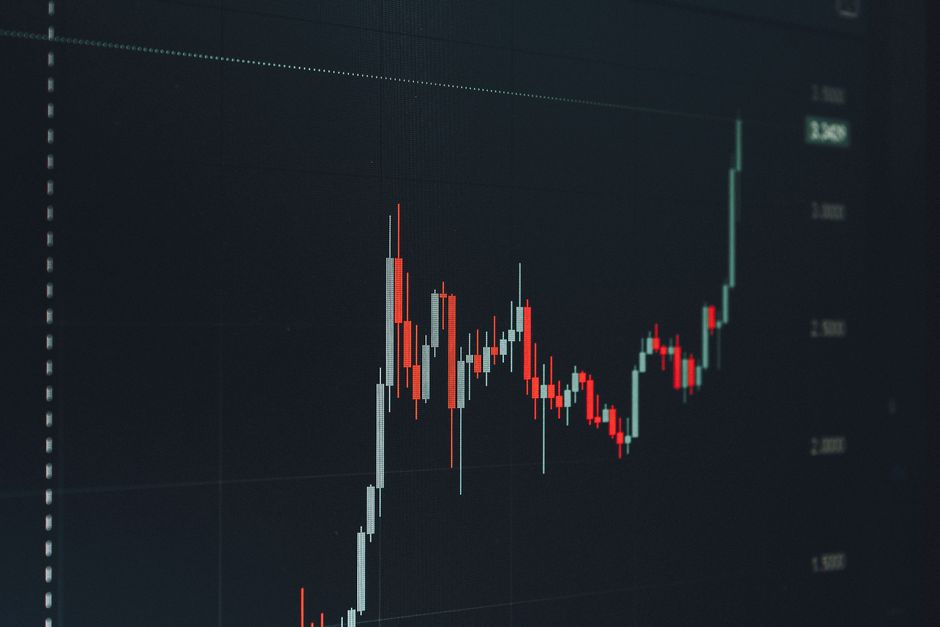
Price movement is expected to follow a clear direction. Instead, it frequently stalls at the break of a level. The analysis at orb trading win rate braunmedicalmedia shows that volume must confirm the movement to prevent false breakouts during the market open. A low volume breakout lacks the momentum required to sustain a trend during regular trading hours. Without a specific volume multiplier, a breakout often returns to the middle of the opening range. This data helps filter out noise.
Defining Relative Volume Thresholds

A breakout without relative volume is a trap. Comparing the volume of the current candle to the average volume of the premarket period provides a baseline. A valid opening range breakout requires a minimum of two times the average volume of the preceding ten periods. This mechanical rule prevents entries during low liquidity windows. If the volume remains below the threshold, the move is treated as a fake out. The goal is to identify where institutional participation enters the intraday environment.
The Five Minute Range Setup

The first fifteen minutes provide the initial data points. A 5 minute candle that breaks the high or low must coincide with a surge in volume. Using a 5 minute timeframe allows for rapid identification of trend shifts. A volume spike that is only 20 percent above the average is insufficient for a high probability setup. The requirement is a measurable surge. This surge validates that the price move is backed by actual orders rather than just a lack of opposing liquidity.
Timeframe Scaling and Volume
Scaling the volume requirement depends on the chosen window. A 15 minute range requires even higher relative volume to confirm a trend. As the timeframe expands from a 15 minute to a 30 minute setup, the volume must remain significantly above the moving average. A 30 minute range breakout with declining volume indicates a lack of conviction. The volume must stay elevated to support the price extension beyond the initial session high. This prevents entering a position just as the momentum exhausts itself.
Filtering Noise with Volume Spikes
Large orders often appear at the cash open. These orders create the volume needed to clear the opening range. A trader monitors the volume profile to ensure the breakout candle has a higher volume than the previous three candles. This mechanical check removes subjectivity. If the volume is flat, the price action is ignored. The focus remains on the relationship between price velocity and volume accumulation during the first hour of trading.
Measuring the Edge
A small sample overstates the edge. Success depends on the consistency of the volume multiplier across different market conditions. High volatility days require higher volume thresholds to avoid being caught in whipsaws. Low volatility days might require lower thresholds. The math dictates the entry. A strict adherence to volume thresholds reduces the frequency of trades but increases the mechanical validity of each position taken during the session.