ORB Hold Time Requirement
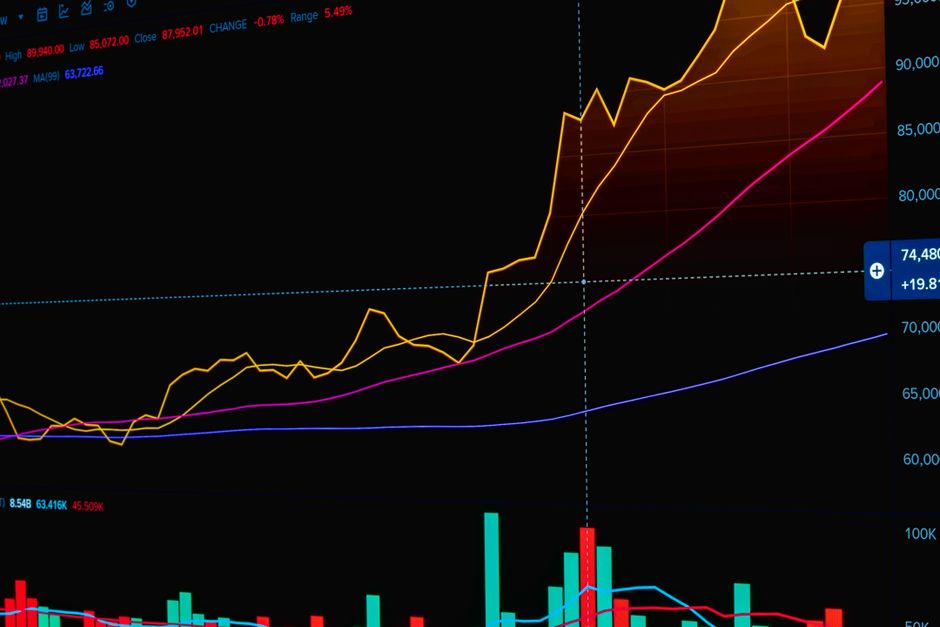
Not every breakout from the opening range qualifies as a valid setup, as documented within the data at orb trading win rate braunmedicalmedia regarding intraday price action. A single candle crossing a level does not constitute a trend. The orb requires a specific duration of stability to prove that the price has actually exited the initial volatility zone. Without a hold time requirement, many traders fall victim to false signals during the first fifteen minutes of the session.
Defining the Hold Time Requirement

The hold time requirement is a mechanical rule used to filter out noise. A price must remain beyond the established high or low for a specific number of bars before an entry is triggered. For an opening range breakout based on a five minute range, the price must stay outside the boundary for at least two consecutive candles. This prevents entries on a single wick that immediately retreats into the range. The mechanics involve monitoring the candle close rather than just a momentary touch of a level. If the candle closes back inside the boundary, the breakout is void.
Timeframe Selection and Consistency
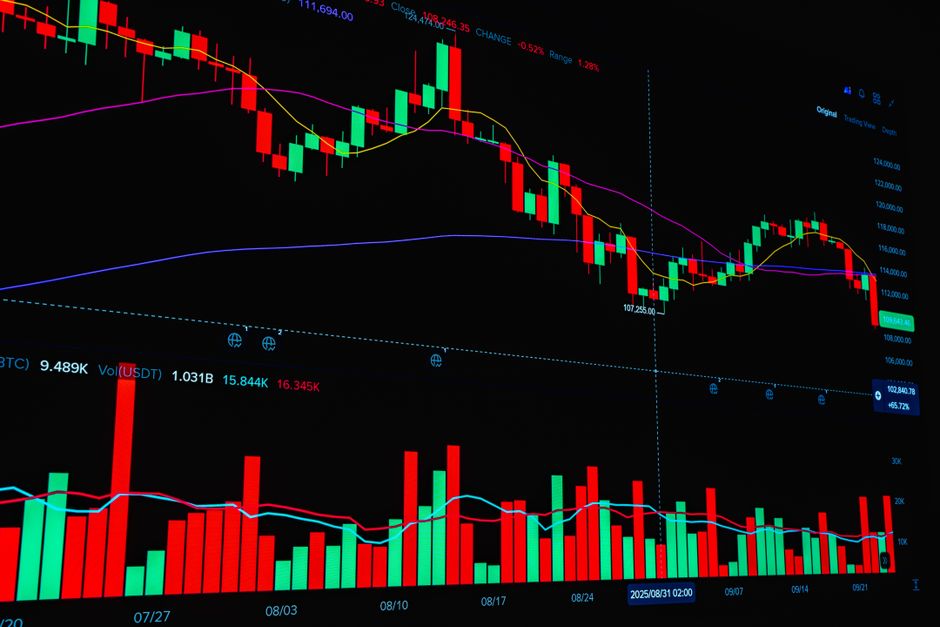
Different timeframes require different hold durations to maintain statistical validity. A 5 minute chart might require a two candle hold, while a 15 minute chart might only require a single candle close to confirm the move. Using a 30 minute range often demands a longer period of consolidation outside the level to ensure the market open momentum has shifted. The choice of timeframe dictates the speed of the trade and the necessary duration of the hold. A sixty minute range provides a much larger boundary, meaning the hold time must account for the increased distance the price must travel to prove intent.
Execution Mechanics at Market Open
Execution begins once the regular trading hours commence. The trader identifies the high and low of the chosen period, such as the first hour of the session. Once the price breaches the level, the stopwatch starts. The entry is not placed on the breach itself. Instead, the entry is placed after the required hold time has elapsed. This approach removes the guesswork from the process. If the price fails to hold the level during the specified period, the setup is discarded. This mechanical filter reduces the frequency of trades but increases the probability of the remaining setups.
Filtering False Breakouts
False breakouts often occur during the initial volatility following the cash open. Price frequently spikes above a level only to reverse as liquidity is filled. By applying a hold time, the trader waits for the market to demonstrate a sustained shift in sentiment. A breakout that fails the hold test is often just a liquidity grab. Relying on a 15 minute candle close provides more certainty than a 1 minute spike. The goal is to find a stable expansion away from the opening bell volatility toward a new session high.