Trend Alignment Filter
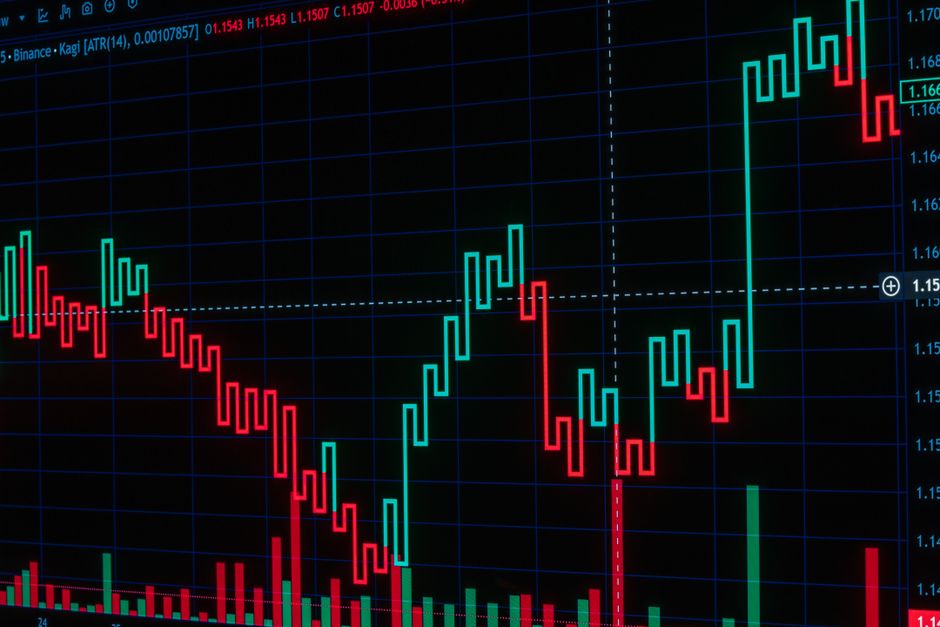
A five dollar slip in execution costs more than the margin. The data sets at orb trading win rate braunmedicalmedia show that the probability shifts when the opening range breakout aligns with the daily trend. This specific intraday edge depends on the direction of the prior day close and the current market open.
Trend Alignment Mechanics

The direction of the daily timeframe dictates the success of the trade. When a breakout occurs in the direction of the primary trend, the move often carries more momentum. A trader looks at the previous day high and low to establish context. If the price breaks above the opening range and the daily trend is bullish, the risk to reward ratio improves. Conversely, a counter trend breakout often fails before the first hour ends. This failure happens because the larger supply and demand zones act as resistance to the intraday move.
The Role of Timeframes

Selection of the specific timeframe changes the frequency of signals. A 5 minute breakout provides many opportunities but requires tight stops. A 30 minute range offers a more defined structure with less noise. The data indicates that the thirty minute range tends to capture the meat of the move during regular trading hours. Smaller windows like the first fifteen minutes often produce false signals that revert to the mean. The larger the window, the more the trend alignment matters. A sixty minute range provides a very clear signal, but the entry price is often much higher than the initial market open.
Directional Bias and Probability
Counter trend trades carry a higher decay rate. If the daily chart shows a series of lower highs, an upward opening range breakout is a high risk play. The mechanical approach requires checking the daily candle structure before the opening bell. Many traders ignore the overnight session, yet the levels set during that period often dictate the boundaries of the opening range. A breakout that fights the overnight session trend has a lower statistical probability of reaching the session high.
Filtering the Noise
Filtering requires a strict set of rules. The first rule is the daily trend check. The second rule is the breakout confirmation on the chosen timeframe. If the 15 minute candle closes outside the range, the trade is live. If the price is moving against the daily bias, the position size is halved or the trade is skipped entirely. This mechanical filter reduces the number of losing trades caused by mean reversion. The goal is to capture the expansion phase of the intraday trend.
Statistical Observations
The numbers show a clear delta between aligned and non aligned trades. A breakout in the direction of the daily trend yields a higher average profit per trade. The counter trend breakouts often result in quick stop outs during the first hour. Using a 15 minute range as the filter provides a balance between signal frequency and trend reliability. The mechanics of the market favor the dominant direction during the initial volatility of the cash open.