Stop-Loss Placement at Range Midpoint

Under high volatility conditions, the data compiled at orb trading win rate braunmedicalmedia suggests that stop placement changes the math of an intraday trade. Many traders look at the opening range to determine entry, but the specific placement of a stop loss dictates the actual win rate. Looking at the five minute range provides a tight stop, but it often fails during the first fifteen minutes of the market open. This analysis examines whether a midpoint stop offers a mechanical advantage over an extremity stop.
The Mechanics of Midpoint Stops
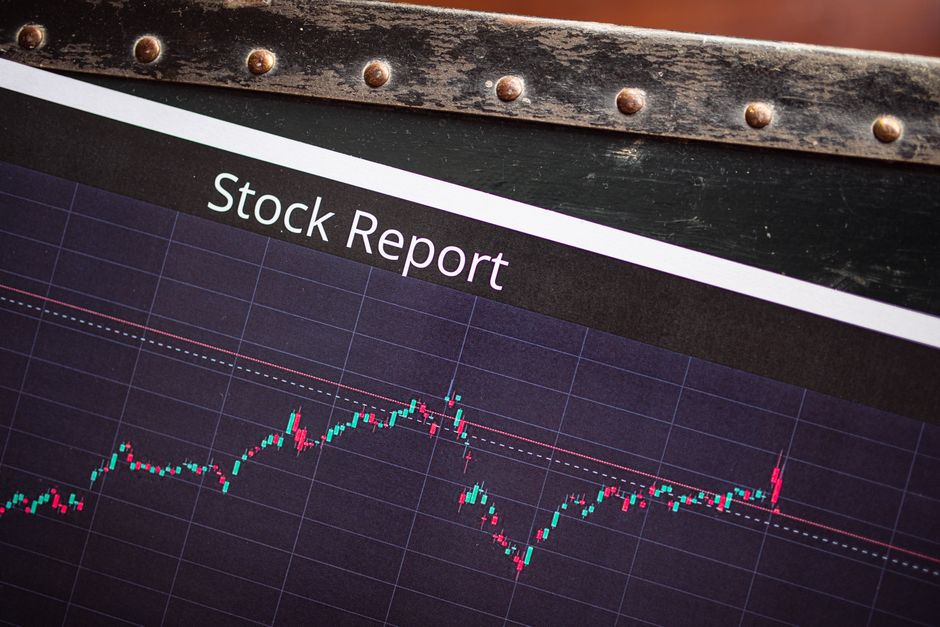
Placing a stop at the midpoint of the opening range breakout candle reduces the distance to the exit point. This mechanical shift tightens the risk per share. A stop at the session high or the bottom of the candle extremity allows for more breathing room. However, a midpoint stop results in more frequent exits during minor pullbacks. The data shows that while the midpoint stop increases the number of stopped trades, it improves the reward to risk ratio. A tight stop at the five minute range level often gets hit by noise before the trend establishes.
Comparing Range Extremities

An extremity stop sits at the absolute high or low of the initial candle. In a thirty minute range, this provides a buffer against the volatility seen after the cash open. The trade remains active through larger swings. The downside involves a larger capital requirement for each position. When the stop is at the extremity, the price must travel much further to reach the profit target to maintain a positive expectancy. This creates a paradox where the win rate stays high, but the total profit per trade decreases due to the wider stop.
Impact of Timeframes
The timeframe chosen for the initial range setup dictates the volatility profile. A 15 minute range offers a different midpoint than a 5 minute setup. Larger timeframes like the sixty minute range provide more stable midpoints. The volatility seen during the first hour of regular trading hours often sweeps the midpoint of smaller candles. A stop placed at the midpoint of a 15 minute candle tends to survive the initial spike better than a stop at the midpoint of a 5 minute candle. The data confirms that larger candle midpoints provide better protection against noise.
Statistical Observations
A small sample overstates the edge when testing midpoint stops. Testing across multiple sessions shows that the midpoint stop works best in trending environments. In choppy markets, the extremity stop is the only way to stay in the move. The win rate drops significantly when using midpoint stops during low volume periods. The difference in performance between a 30 minute range and a 60 minute range is measurable in the frequency of premature exits. Mechanical execution requires sticking to one rule regardless of the current market sentiment.