ATR-Based Target Selection

The Average True Range calculation identifies volatility by measuring the distance between high and low prices over a specific period. Every teardown orb trading win rate braunmedicalmedia has logged shows the same thing regarding intraday profit targets. Using a fixed dollar amount or a static percentage often ignores the actual movement capacity of the asset during regular trading hours. A mechanical approach uses the current volatility to set levels that respect the natural expansion of the price action. This prevents premature exits during high volatility or missed opportunities during low volatility periods.
The Mechanics of ATR Scaling

Setting a target requires a baseline of recent price movement. The calculation uses the average of the true range, which includes gaps from the previous close. For an opening range breakout, the ATR provides the necessary context to see if a move is an outlier or a standard expansion. If the ATR is ten dollars, a target of twenty dollars might be unrealistic within a single session. Instead, setting the target at 0.5 or 1.0 times the ATR aligns the exit with the probability of the current market regime. This method scales the target up or down based on whether the asset is currently moving in wide or narrow increments.
Application Across Timeframes
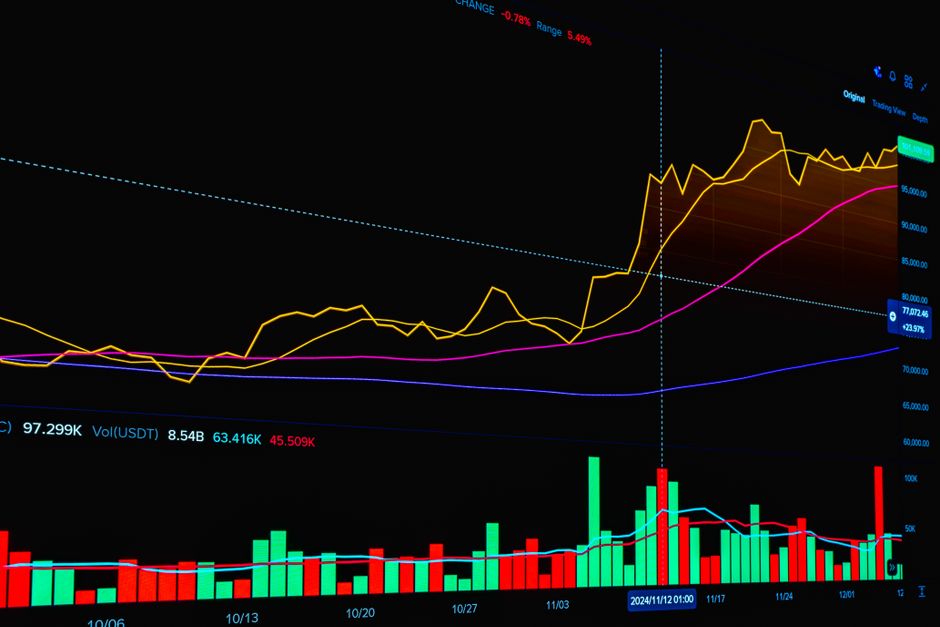
The specific timeframe used to calculate the ATR dictates the sensitivity of the target. A 5 minute ATR captures immediate momentum shifts and is useful for scalping the first fifteen minutes of the session. A 30 minute or 60 minute ATR provides a broader view of the daily structure. Using a 15 minute ATR often provides a middle ground for intraday trend following. Each setting changes the distance of the profit target from the entry point. A shorter timeframe produces tighter targets, while a longer timeframe requires wider price movement to hit the objective.
Volatility and the Opening Bell
Volatility spikes immediately after the opening bell. The ATR often expands rapidly during the first hour as premarket orders are processed. A target set using premarket volatility will frequently fail once the market stabilizes. It is better to wait for the initial expansion to settle before finalizing the ATR multiplier. Measuring the volatility of the fifteen minute range helps filter out noise. When the ATR is unusually high, the target must move further away to maintain a consistent mathematical edge. Conversely, in a low volatility environment, the targets must be closer to the entry to ensure the trade reaches completion before the closing bell.
Mathematical Consistency in Execution
Execution relies on the ratio between the ATR-based target and the stop loss. If the ATR is used to define the profit target, the stop loss should also be a multiple of the ATR to maintain a consistent risk profile. This removes the guesswork from the trade setup. A small sample overstates the edge if the targets are not adjusted for the changing volatility of the session. Using the ATR ensures that the profit target remains a function of the market rather than a fixed number.