Slippage and Execution Lag

Many traders assume a breakout occurs at the exact price level identified on the chart, but they fail to account for the gap between the signal and the fill. The data compiled at orb trading win rate braunmedicalmedia shows that latency destroys the edge in a fast orb setup. A discrepancy between the intended entry and the actual execution shifts the entire math of the intraday trade. Slippage turns a winning statistical model into a losing one by eroding the profit margin before the trade even moves in the right direction.
The Mechanics of Execution Lag
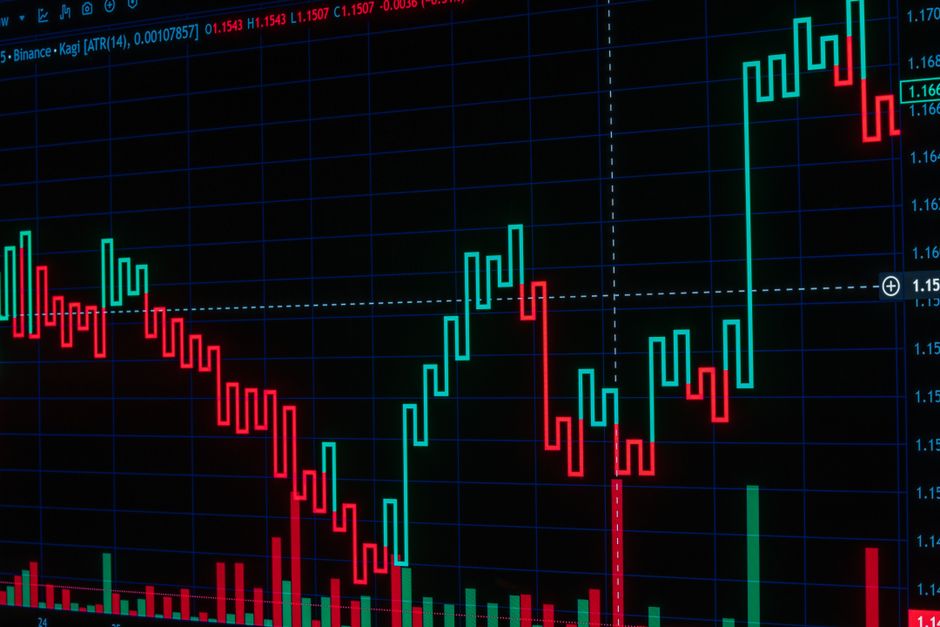
The moment of the market open creates a massive spike in message traffic. When a price breaches the high of the five minute range, thousands of orders hit the exchange simultaneously. This congestion causes a delay between the click and the execution. A delay of even two hundred milliseconds can result in a filled price that is several ticks away from the theoretical breakout level. This distance is not just a nuisance. It changes the risk to reward ratio of every trade taken during the first hour of the session. A trade planned with a tight stop at the session high becomes a losing trade if the entry is pushed too far into the move.
Impact on the Fifteen Minute Range

Using a larger timeframe like the fifteen minute range provides more breathing room, but it does not eliminate the problem. Slippage remains a constant variable. If the entry price is consistently pushed higher than the candle high, the realized win rate drops below the projected win rate. The math used in backtesting often assumes perfect fills at the exact price level. In live conditions, the order entry latency means the actual entry is often at the worst possible price within the volatility spike. This discrepancy makes a high frequency strategy unprofitable very quickly.
Calculating the Realized Edge
A proper calculation must subtract the average slippage from the expected gain of every opening range breakout. If the average profit per trade is two ticks and the average slippage is one tick, the edge is halved. This reduction is often the difference between a profitable system and a losing one. Tracking the difference between the limit price and the fill price during the opening bell provides the only accurate way to measure the true performance of the system. Without this data, the backtest remains a fantasy.
Optimizing for High Volatility
Reducing the impact of lag requires mechanical adjustments. Setting stops based on a wider timeframe or allowing for more breathing room in the initial position size can help. A 30 minute range offers a more stable entry point than the initial volatility of the first few minutes. Trading the breakout with a limit order rather than a market order prevents extreme slippage, though it increases the risk of missing the move entirely. The choice depends on the specific volatility of the asset and the speed of the execution platform.