Session-Specific Volatility Adjustments
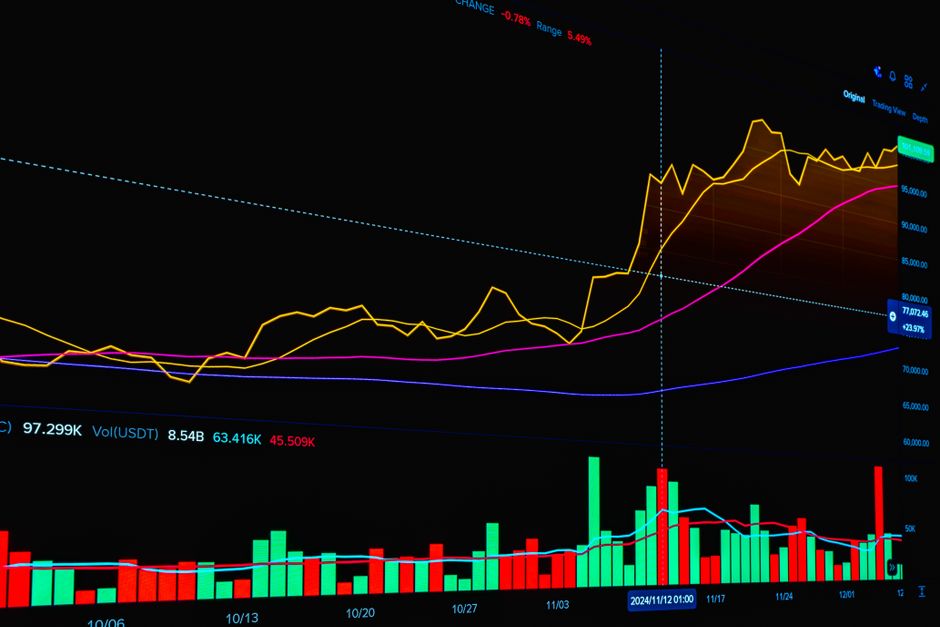
Two market regimes that look identical on a single chart can function with completely different mechanical requirements. The volatility profiles analyzed at orb trading win rate braunmedicalmedia show that a fixed entry method fails during shifting intraday cycles. Applying a static 5 minute range breakout strategy during high volatility periods often leads to premature entries or stopped out positions. A successful orb approach requires adjusting the breakout threshold based on the current ATR or premarket movement relative to the average daily range. A higher rate of success comes from recognizing these shifts early.
Calibrating the Opening Range for Volatility
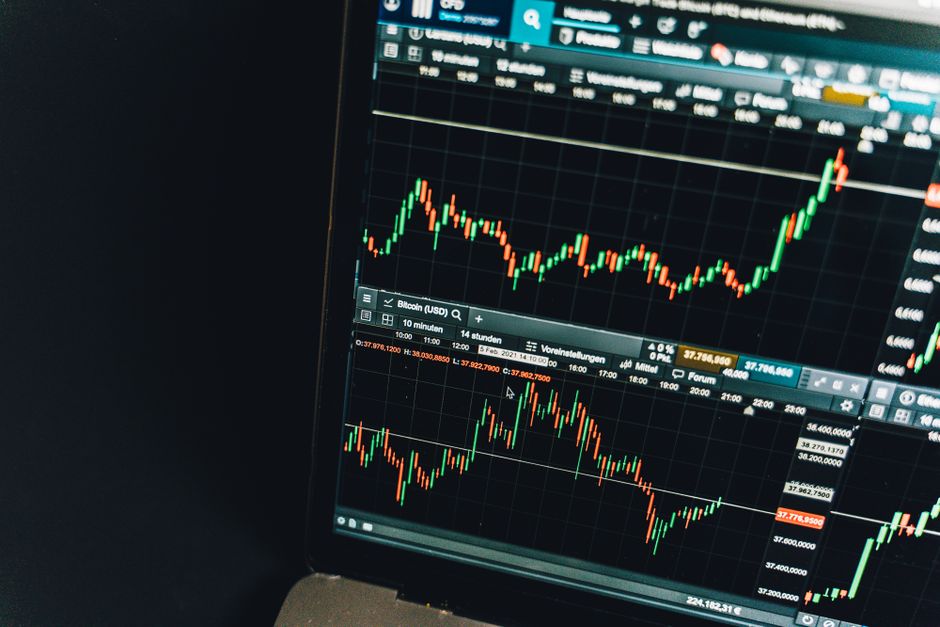
High volatility environments require wider buffers. During a heavy market open, the initial price action often exceeds the standard deviations seen in quiet sessions. Using a tight 5 minute range in these conditions results in frequent stop outs because the noise penetrates the narrow boundaries. In low volatility regimes, a 15 minute range often provides more stability. The mechanical adjustment involves measuring the premarket range and comparing it to the expected move. If the premarket range is already large, the opening range breakout must be wider to account for the increased noise. A small sample overstates the edge if the volatility filter is ignored.
The Impact of Timeframe Selection

Selection of the specific timeframe dictates the sensitivity of the signal. A 30 minute range offers a more robust signal during choppy sessions where the first fifteen minutes are filled with false direction. Conversely, in a low volatility environment, waiting for a 60 minute range might result in missing the entire move. The mechanical task involves scaling the entry window. In a high volatility regime, the thirty minute range acts as a filter to avoid the initial chaos of the opening bell. In a low volatility regime, the five minute range provides the necessary speed to catch the trend before it exhausts itself.
Managing Entries During the First Hour
The first hour of regular trading hours contains the highest density of volume and price fluctuation. Mechanical execution requires adjusting the stop loss distance relative to the session high. In high volatility, the stop must sit further from the breakout point to accommodate larger candles. In low volatility, a tight stop near the opening range boundary is sufficient. Relying on a single fixed distance leads to inconsistent results. The math dictates that the stop distance must be a function of the current ATR. This ensures the trade structure remains consistent across different market regimes.
Volatility Regimes and Session Highs
A breakout above the session high requires different confirmation during power hour than it does during the cash open. When volatility is expanding, the breakout often occurs with a massive spike that can lead to immediate mean reversion. When volatility is contracting, the breakout is often a slow drift. Monitoring the relationship between the opening range and the subsequent price action allows for the adjustment of position sizing. Higher volatility necessitates smaller position sizes to maintain a constant dollar risk per trade. This mechanical adjustment preserves the equity curve regardless of the intraday environment.