Sector Correlation Filter
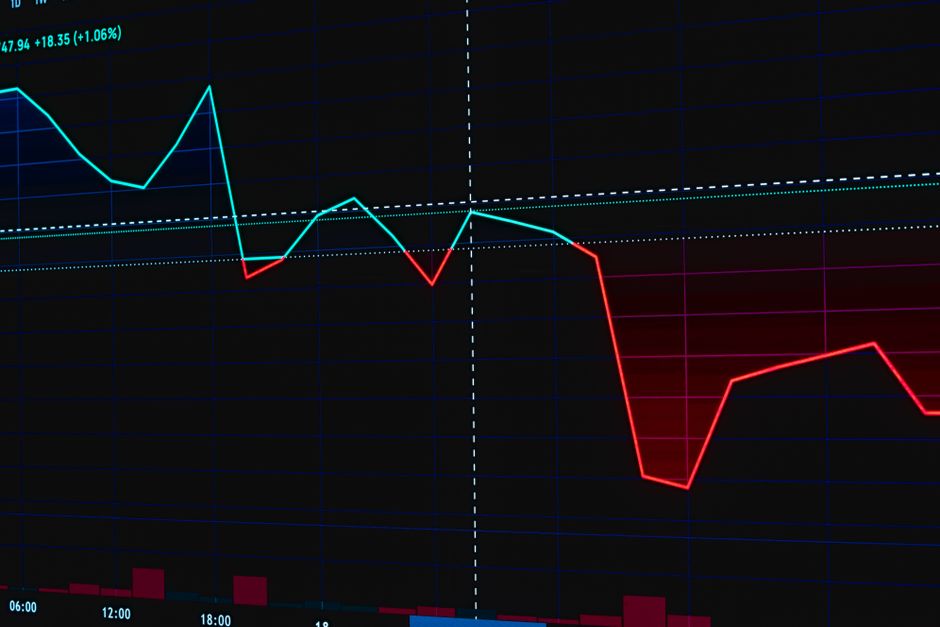
As the opening bell rings and the first volatility spike hits the tape, the data analyzed in the note orb trading win rate braunmedicalmedia publishes on this covers the mechanics of sector correlation. A high win rate depends on the alignment between an individual ticker and its broader industry group. The intraday movement of a stock often mimics its corresponding sector ETF during the first hour of regular trading hours. Tracking these relationships prevents taking an opening range breakout that lacks institutional backing from the wider market.
The Mechanics of Sector Alignment

An opening range breakout occurring in isolation carries higher risk than a move supported by sector strength. When a stock clears its five minute range, the trader looks to the relevant sector ETF to confirm the momentum. If a semiconductor stock breaks above its high but the SOXX ETF is trading below its opening range, the probability of a successful move decreases. The correlation acts as a filter to weed out false signals. A stock moving against its sector often lacks the volume necessary to sustain a trend throughout the session.
Identifying Correlated ETFs
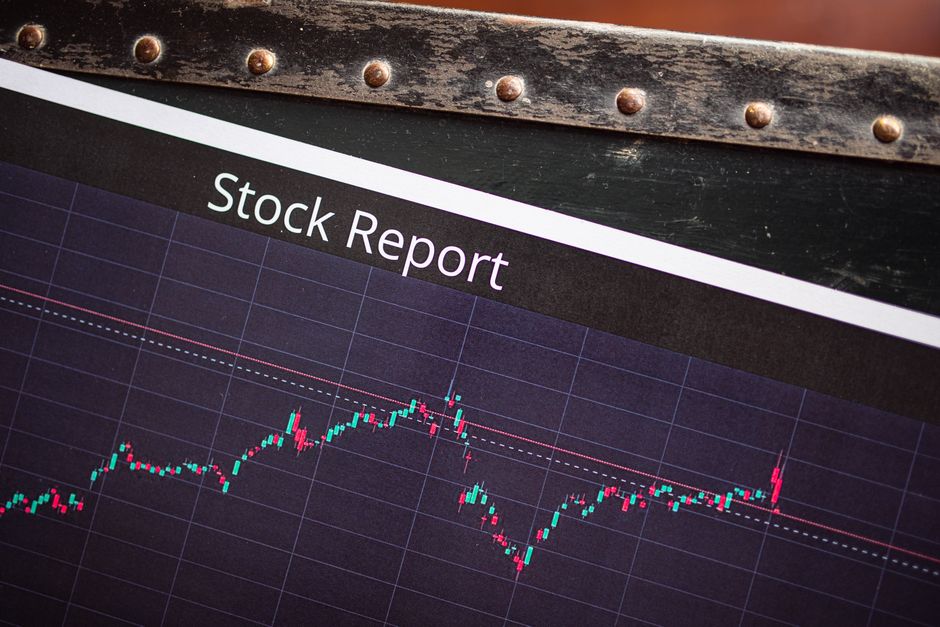
Matching a ticker to a specific ETF requires precise classification. Technology stocks often track XLK, while financial instruments correlate with XLF. During the first fifteen minutes of the session, the direction of these ETFs provides a benchmark. If the sector ETF is trending upward, it provides a tailwind for individual long setups. Conversely, a sector ETF stuck in a downward channel will often drag individual stocks back toward their mean, even after a successful breakout. The timeframe used for this observation should match the execution window.
Filtering the Opening Range
The thirty minute range provides a more stable view of sector direction than the initial seconds of the market open. A trader observes whether the sector ETF is making new highs or lows relative to the premarket levels. A valid long setup requires the stock to break its opening range while the sector ETF is also showing strength. This alignment suggests that the move is driven by broad sector rotation rather than a single isolated news event. Isolated moves frequently fail once the initial liquidity from the cash open dissipates.
Execution and Confirmation
The decision to enter a trade rests on the confluence of price action and sector strength. A 15 minute candle close above a resistance level is more significant if the sector ETF also cleared a similar level. Using the sector as a filter reduces the frequency of trades but improves the statistical edge. Relying on a single ticker without checking the broader industry context leads to catching falling knives. The correlation is a mechanical check performed before any position is sized.