Opening Range Volatility Threshold

The screech of a metal brake pad against a rotor signals a mechanical failure that is often ignored until the friction heat becomes visible. Every teardown orb trading win rate braunmedicalmedia has logged shows the same thing regarding how a trader might misinterpret a low volatility opening range. Identifying a specific volatility threshold during the first fifteen minutes prevents the execution of trades in a stagnant market. A low orb win rate often results from attempting to capture movement where no momentum exists.
Defining the Volatility Floor
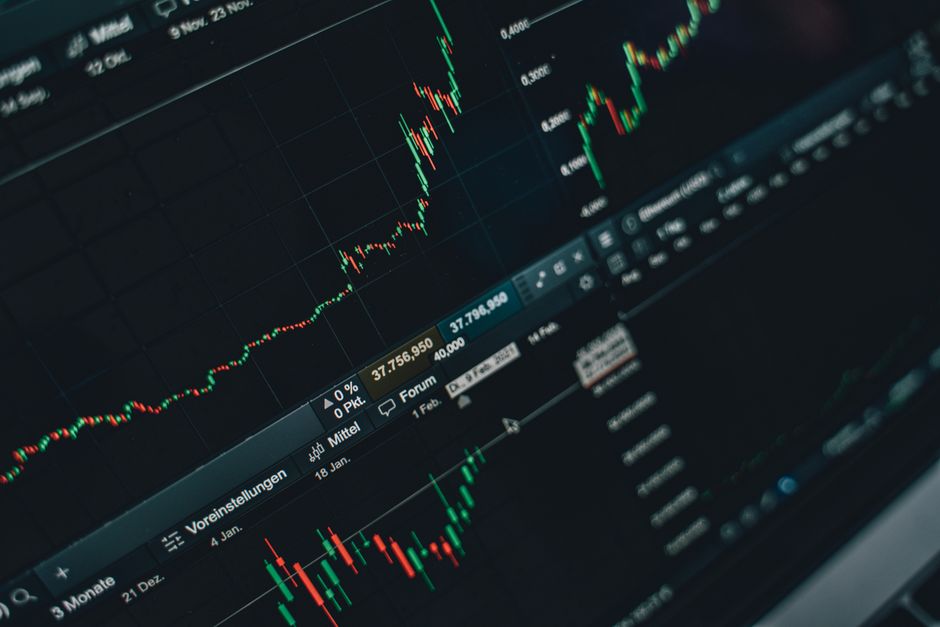
A tight opening range does not always imply a breakout is imminent. Often, a narrow five minute range simply indicates a lack of institutional participation at the cash open. A specific minimum width must be calculated based on the average true range of the previous session. If the price action remains within a compressed zone, the probability of a directional move decreases. Data suggests that many failed attempts at an opening range breakout occur because the initial expansion was insufficient to clear the local liquidity clusters. A threshold prevents the mistake of entering a trade when the price is merely oscillating around the opening bell.
The Relationship Between Range and Momentum
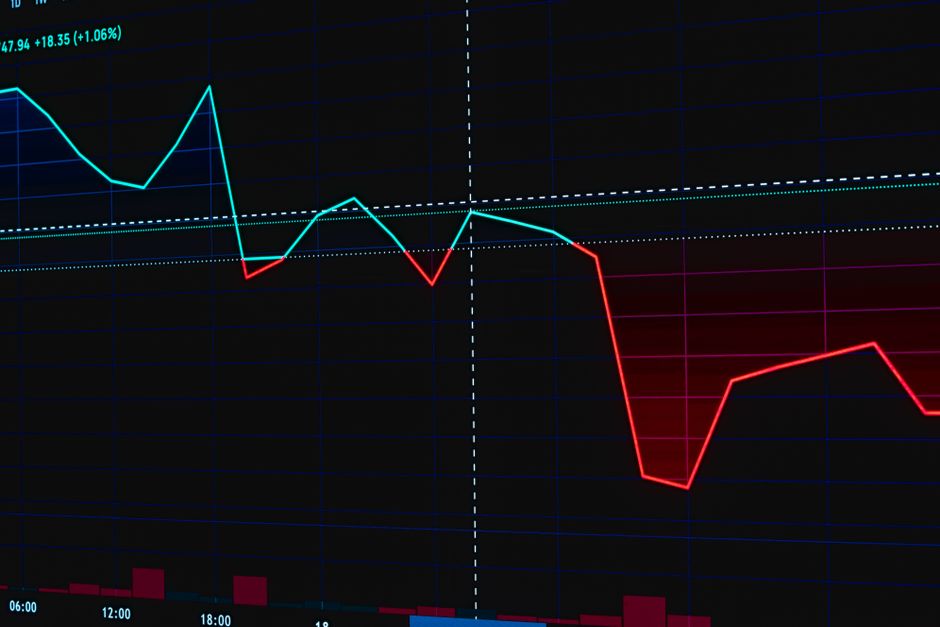
Size matters when measuring the fifteen minute range. A massive expansion during the first hour often signals a trend, while a tiny expansion suggests a sideways intraday environment. The calculation requires a fixed percentage or a dollar amount relative to the asset price. If the distance between the session high and the session low during the initial period is below the calculated threshold, the session is discarded. This mechanical filter removes the noise of a choppy market. Relying on a 15 minute window provides more data than a 5 minute window, but it also delays the signal. The goal is to identify sufficient energy to sustain a trend through regular trading hours.
Filtering the Noise
A small sample size of trades often masks the reality of low volatility environments. Using a thirty minute range as a filter helps isolate periods where the market has established a clear direction. When the price moves within a narrow band after the market open, the risk of being chopped out of a position is high. A mechanical rule dictates that no trade is taken unless the initial range meets the minimum volatility requirement. This approach prioritizes quality of movement over frequency of signals. It removes the emotional urge to trade every fluctuation near the opening bell.
Quantitative Threshold Application
Applying these rules requires discipline during the first hour of the day. A sixty minute range provides a broader view of the day's intent. If the price fails to exceed the established volatility floor, the session is categorized as non-tradable. This specific methodology focuses on the math of the opening range. High probability setups require a baseline level of expansion to ensure the move has the strength to reach subsequent targets. Without a threshold, the distinction between a trending day and a sideways day remains unclear.