Consecutive Loss Recovery Limits

Many traders ignore the mathematical reality of a drawdown and continue to execute the opening range breakout despite a failing streak. The data at orb trading win rate braunmedicalmedia shows that an orb strategy requires strict mechanical limits to prevent capital depletion. A low win rate does not imply a broken system, but a series of losses during a single session requires an immediate halt to trading activities.
Defining the Consecutive Loss Limit
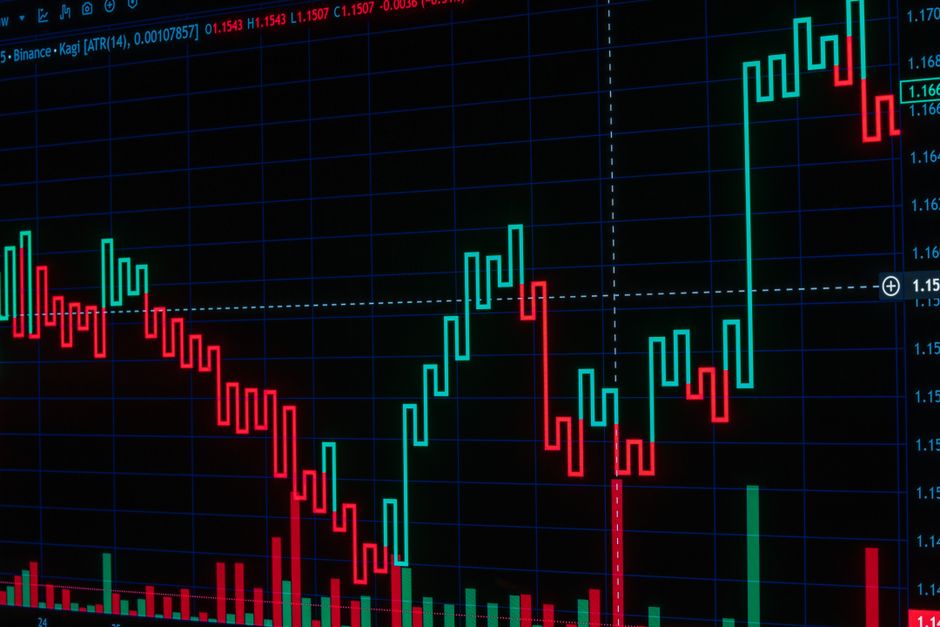
A consecutive loss recovery limit is a hard stop based on the number of failed entries within a specific timeframe. For a standard 5 minute strategy, the limit is often set at three or four consecutive losses. Once that threshold is met, the terminal is closed for the remainder of the regular trading hours. This prevents the tendency to chase losses during a choppy market open. The goal is to preserve capital for a period where price action aligns better with the historical edge.
Calculating the Threshold
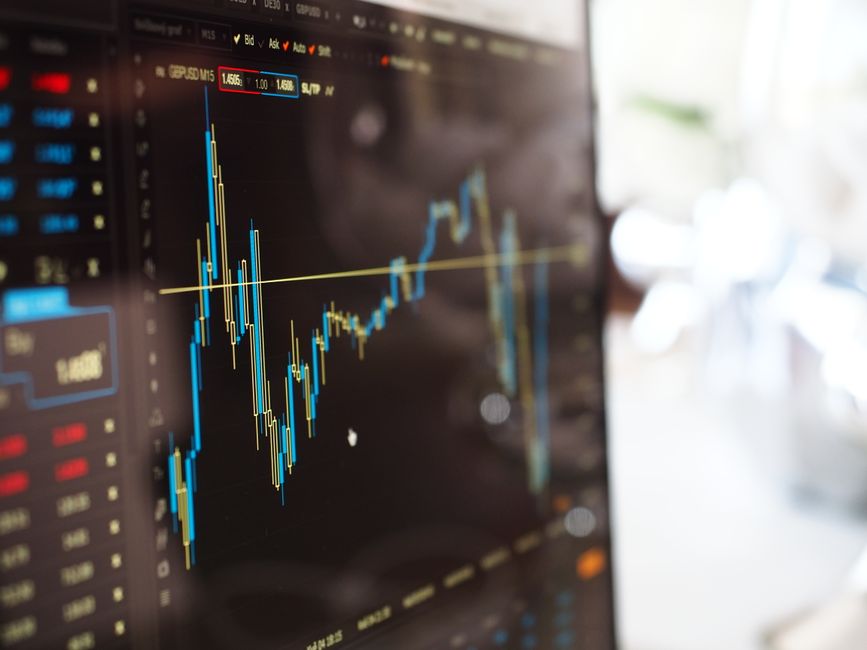
The math behind the limit relies on the probability of a streak. If a system has a forty percent win rate, the probability of hitting five losses in a row is statistically significant. Setting a limit at four losses stops the bleeding before a minor variance turns into a catastrophic drawdown. This rule applies whether the setup is based on a fifteen minute range or a thirty minute range. The specific timeframe used to define the range does not change the logic of the stop. The limit exists to manage the variance inherent in intraday volatility.
Execution During Market Volatility
Execution must be mechanical. When the third or fourth loss occurs, the decision to stop is already made. There is no room for debate after the opening bell has passed and the trade is live. If the price fails to respect the session high and triggers the stop loss, the count increases. If the count hits the limit, the day is over. This prevents the emotional error of trying to recover losses during the final minutes of the session or during power hour.
The Role of Market Context
Market conditions often dictate the frequency of these limits. In a sideways market, the opening range may be breached multiple times without a trend forming. This creates a high frequency of false signals. A trader might hit a consecutive loss limit within the first hour of trading. In these scenarios, the limit serves as a filter against low probability environments. A small sample of trades over a single week does not dictate the long term edge, but the limit protects the account during the inevitable periods of noise.
Systematic Review of Failures
Every time a limit is reached, the trades are logged. The data points include the time of the entry, the specific range used, and the reason for the failure. This mechanical review ensures that the limit is functioning as intended. A limit hit is not a failure of the system, but a successful execution of the risk management protocol.